

10 Sep Shrink Rap: About “You Can See Everything”
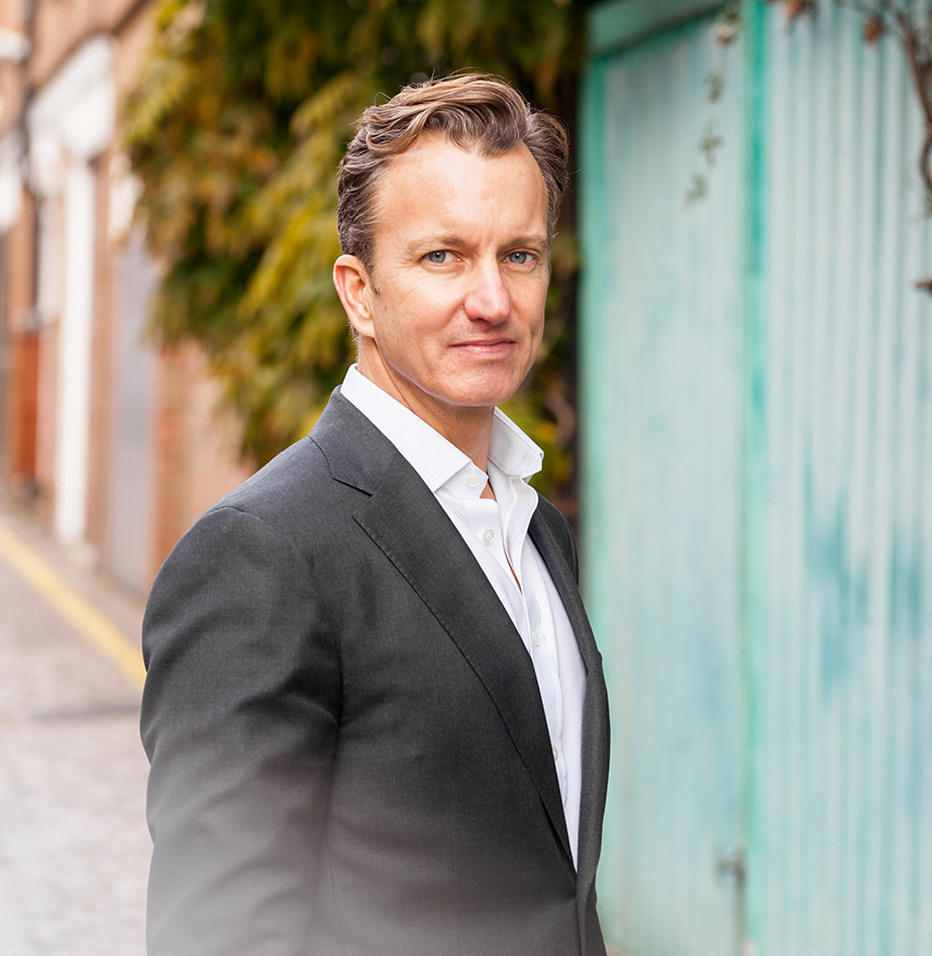
A Telluride local, Dr. Paul Hokemeyer is an internationally recognized expert on treating clinical issues at the nexus of relationships and behavioral health. (Please scroll down for more about Dr. Paul)
The second edition of Dr. Paul’s terrific book “Fragile Power” was published in 2024. Go here to read more about the first edition of “Fragile Power.”
Go here to read more of Dr. Paul’s pearls. We curated the following from an edition of his Drayson Mews newsletter.
Last night in Telluride, the film festival’s most closely guarded secret was finally revealed after the lights went down on a film viewers subsequently learned was You Can See Everything, a nearly three-hour documentary on the rise and fall of Elizabeth Holmes.
The filmmakers spent three years with Holmes making the documentary. They were given remarkable access to her life: they spent extensive time in her home and were with her in the final days before prison, chronicling the terrain of her public collapse.
Yet the film’s lingering achievement—and discomfort—is that their extensive access produced no psychological insights into Holmes for the professionals who made the film.
By the end, the director and production team are left wondering whether they encountered Elizabeth Holmes herself or yet another façade of her construction.
Their bewilderment resonates with me because it’s central to the challenges we as clinicians face in our work with patients of wealth, celebrity, and power.
Like Ms. Holmes, these patients often arrive in therapy after spending a lifetime performing, being pandered to, admired, feared, advised, managed, and strategically misunderstood. They are accustomed to directing the circumstances of their lives and are masters at hiding the psychic life buried deep within.
Consequently, clinicians may be offered a great deal of information about what the patient wants you to believe, without relational access to confirm or deny who they are beneath their presentation.
As those of us who work with these patients know, these individuals are highly articulate, reflective, and performatively vulnerable, while maintaining extraordinary control over the therapeutic encounter. They disclose facts without revealing their meaning. They describe pain without allowing themselves to feel it in the room. They invite the therapist close while quietly calibrating the distance that is permissible and safe.
This is why working with patients of wealth demands more than basic clinical skills and experience.
A patient accustomed to calling the shots may try—often unconsciously—to direct therapy: setting the agenda, rewarding agreement, withdrawing when challenged, or making the clinician feel the relationship depends on staying within carefully drawn boundaries.
The clinician, in turn, may feel flattered by proximity, intimidated by influence, eager to please, reluctant to confront, or to expose the person behind the public mask.
All these responses are understandable. None are clinically neutral.
But therapy becomes transformative when a patient allows the clinician into their narrative.
Over the last 20 years, I’ve found therapeutic breakthroughs rarely come in the form of a dramatic confession.
More often, they arrive quietly through a collaborative relationship with a clinician who maintains a humanistic stance: in recognizing when the patient is trying to impress the therapist; in holding the patient as they admit they can’t bear disappointment; and in providing a therapeutic frame that scaffolds moments of uncertainty about who the patient might be without accomplishment, control, or admiration.
This is where the directors of You Can See Everything and our work with patients of wealth overlap.
As was witnessed at the Telluride theater last night, a camera can enter someone’s home without entering their inner life. In the same way, a therapist can hear an elaborate life story without encountering the human being beneath it.
Here, it’s important to remember that access is not intimacy- and visibility is not the same as being seen.
Perhaps this is the most haunting issue the documentary of Ms. Holmes raises.
After three years of watching Elizabeth Holmes, the audience is left to wonder whether we have encountered her true self—or simply another narrative created to hold the world at a distance.
For those of us who work with wealth, celebrity, and power, this is not a cinematic question. It’s a clinical one.
Our privileged access to these patients’ lives requires more than expertise; it requires the rare ability to distinguish what is being shown from what is being protected.
And herein lies the artistry of the work: it’s science-informed, relationally delivered, and grounded in the patience to remain present long enough for the person behind the presentation to feel safe enough to appear.
Thank you for being a part of the journey,
With warm regards,
Dr. Paul
Dr. Paul, more:
Paul Hokemeyer, J.D., Ph.D. is the founding principal of Drayson Mews, an international behavioural health firm based in London and author of “FragilePower: Why Having Everything Is Never Enough,” (Hazelden, 2019), the seminal resource for UHNW and high-performance individuals looking for clinically excellent mental and relational health services.
A licensed Marriage and Family Therapist, Dr. Paul is a graduate of the Global Leaders in Health Care program at Harvard Medical School and studied the use of digital technologies to enhance the delivery of mental health and addiction treatment services at the Yale School of Management.
Dr. Paul serves as a clinical consultant to the London based Ispahani Advisory Limited and is a Clinical Fellow at the American Association of Marriage and Family Therapists.
In addition to his legal and mental health background, Dr. Paul has extensive experience in the realm of philanthropy through his work as a trustee of a family foundation, and the Palm Springs Art Museum, one of the world’s leading institutions for midcentury design and art.
1