

16 Sep Second Chance: Don’t Let Your Pet Stay Lost!
Since 1994, the Animal Resource Center and the Shops of Second Chance Humane Society (SCHS) have been dedicated to serving animals in Southwestern Colorado. Adoption hours are every day from 11 a.m. to 5:30 p.m. The facility is located at 177 County Rd 10, Ridgway, CO. View shelter pets and services online at secondchancehumane.org.
View shelter pets and services online: www.adoptmountainpets.org
Donate here or mail to: PO Box 2096, Ridgway, CO, 81432.
Go here for more about Second Chance.

Another day, another lost pet.
While our area may not be unique, it sure seems like there are a lot of lost and found pets, especially in Delta. When we get a stray at our shelter, staff first scans them for a microchip and checks whether they have a tag. More often than not, our found-pet posts include this phrase: “no chip, no collar, and no tag.” That makes it difficult in facilitating a happy reunion if the pet is loved and the family wants to be reunited.
In 2025, our Ridgway campus reunited 35 stray pets with their families, but that was only about 35% of the strays the shelter took in. In Delta, the numbers are drastically different. Since assuming operations in May, only about half of the 40 stray dogs we’ve taken in have been reunited with their families.
We can easily change these dreary statistics with the simple prevention approach of microchipping.
Microchips are harmless and very tiny, approximately the size of a grain of rice. We implant them quickly and painlessly into the subcutaneous layer of a pet’s skin. A scanner can read the serial number they are encoded with and immediately track it to the pet parent listed in the database.
As with any ID method, pet parents must keep their database information up to date.
More than once, pets have arrived at Second Chance with a microchip that did not link to an active phone or address, rendering it useless. Every pet adopted from SCHS has a microchip, and we input the information adopters provide on their application to ensure accuracy. But if a person/family moves or changes phone numbers, it’s important to update a pet’s microchip to reflect those tweaks.
Microchips do not require a battery or other power source, so they are good for the life of your pet and they are virtually free of health risks (according to the American Veterinary Medical Association. Data collected on pet microchips since 1996 have shown only 391 adverse reactions among over 4 million pets microchipped, (or less than 0.0001 percent).
A microchip implant helps recover lost pets and can be scanned by animal shelters, animal control, veterinarians’ offices, or any entity that uses scanners to identify lost pets.
Although they are a great invention that truly makes a difference, not everyone who encounters a lost pet has a microchip scanner. We highly recommend your pet have a collar with a tag. That way, when your lost dog shows up down the road at the neighbor’s house, anyone can find and call to report a lost pup and your dog gets home faster.
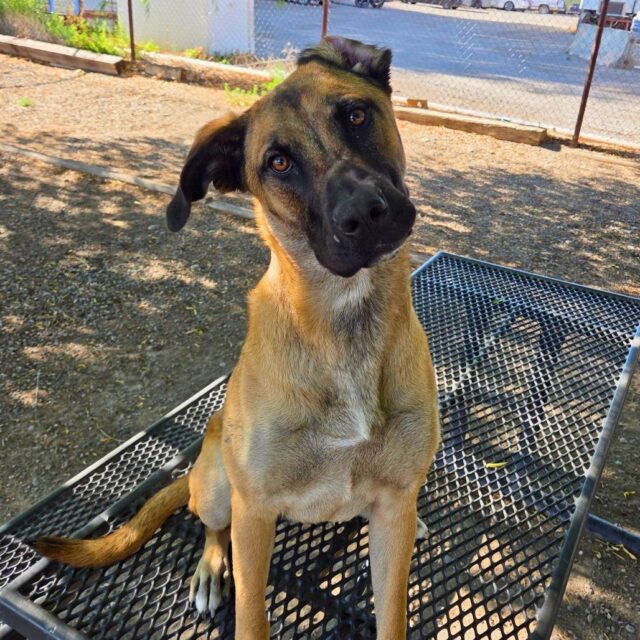
Trudy
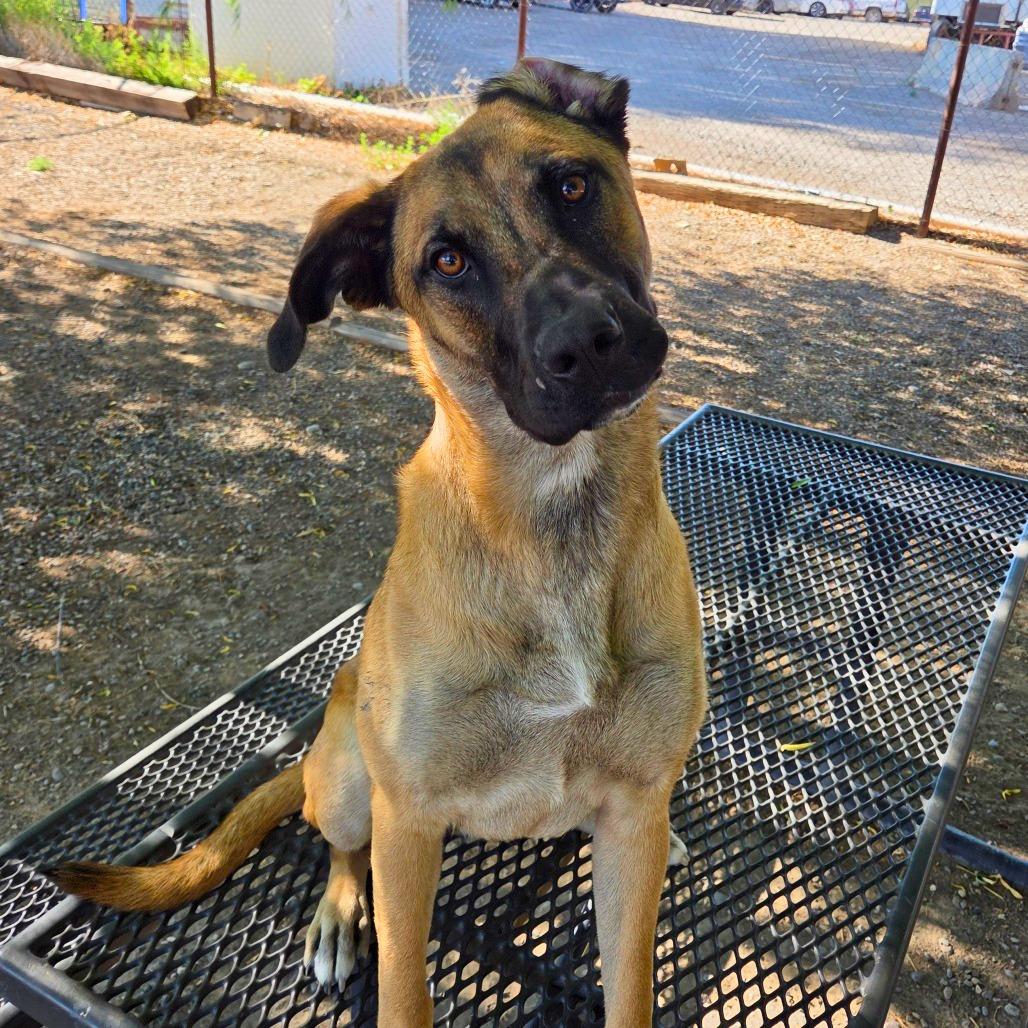
Trudy is a 4-year-old mixed-breed dog who came to our Delta shelter as a stray with no collar, chip, or tags. No one ever came to claim her, so now she is looking for her forever home! She loves people, playing fetch, and rough-housing with other dogs! Meet her in Delta today!
Sorry, the comment form is closed at this time.