

19 Aug Second Chance: Declawing a Cat? Inhumane. Period.
Since 1994, the Animal Resource Center and the Shops of Second Chance Humane Society (SCHS) have been dedicated to serving animals in Southwestern Colorado. Adoption hours are every day from 11 a.m. to 5:30 p.m. The facility is located at 177 County Rd 10, Ridgway, CO. View shelter pets and services online atsecondchancehumane.org.
View shelter pets and services online: www.adoptmountainpets.org
Donate here or mail to: PO Box 2096, Ridgway, CO, 81432.
Go here for more about Second Chance.

Take a look at your fingernails. Now imagine what it would take to remove them permanently. Ouch. Looks like you’d have to remove part of your finger, right? Well, that’s what happens when you declaw a cat. Seems crazy, doesn’t it?
In most developed countries, declawing is recognized as totally inhumane and is prohibited, but the United States is slow to make the practice illegal: New York, Virginia, Massachusetts, Maryland, and Rhode Island are the only five States in the U.S. where declawing is banned, and cities like Denver, Colorado, are also banning the practice.
Here is why.
Declawing isn’t just trimming a fingernail. It’s amputating the last joint of your cat’s toes – you can’t remove the claws without removing part of the bone… – and requires a painful recovery period. Wheelchairs and bedpans aren’t an option for a cat. During recovery, your cat still has to use its feet to walk, jump, and scratch in its litter box, regardless of the pain it is experiencing.
Have we changed your mind yet?
Additionally, there are many potential complications and negative implications to this surgery, briefly summarized as: chronic pain, lameness, joint stiffness, arthritis, as well as behavioral problems which can later emerge, like litter box avoidance, biting (without claws, what other defense does a cat have?) and being afraid (which can come across as aggression) to be around other household animals.
Also and rather importantly, a cat’s primary means of defense is removed with the claws, including his or her ability to climb to safety, making them sitting ducks, not carefree cats.
Need more scientific evidence? Check out declawing.com/the-truth-about-declawing.
Although you may know some felines who have undergone declawing and appear fine (the recovery period is typically several weeks), keep in mind that cats often try to hide pain and discomfort. That’s part of their survival instinct. Check out our other pet columns about cats hiding pain to learn more. Additionally, removing a cat’s claws removes their ability to be balanced and graceful, like taking away someone’s toes and expecting them to walk normally.
Most animal humane agencies have issued clear statements against this procedure. Second Chance prohibits it on any pet they adopt out.
We get it; no one wants their furniture ruined. That said, causing bodily harm to your pet just to make your life more convenient is not the answer. There are many simple, pain-free, and less costly alternatives to declawing, with the best option being a good ol’ scratching post. Scratching is a natural instinct; it feels good for a cat’s muscles and joints and lets them leave a bit of their scent to mark territory. They feel emotionally and physically fulfilled through scratching. (Something else declawing takes from them…)
Get a nice, tall scratching post that lets your cat stretch its whole body, or one of those strong horizontal cardboard scratching devices, and your cat will choose that over your furniture (especially if you sprinkle it with catnip).
Find more alternatives to de-clawing at catscratching.com.
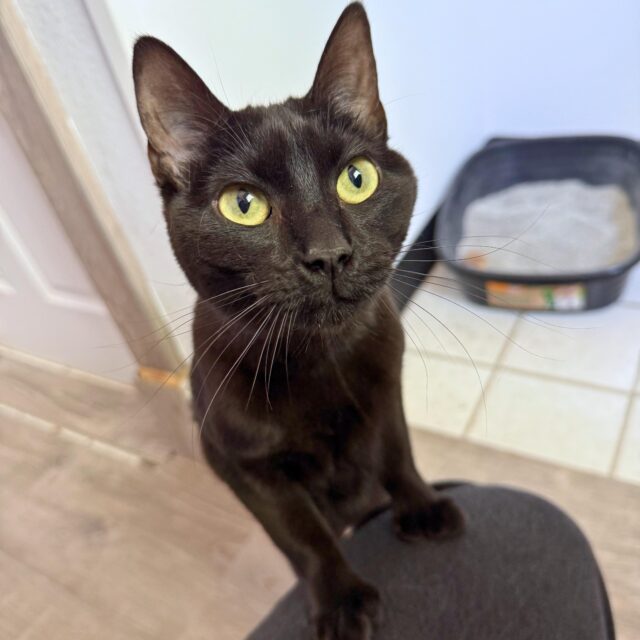
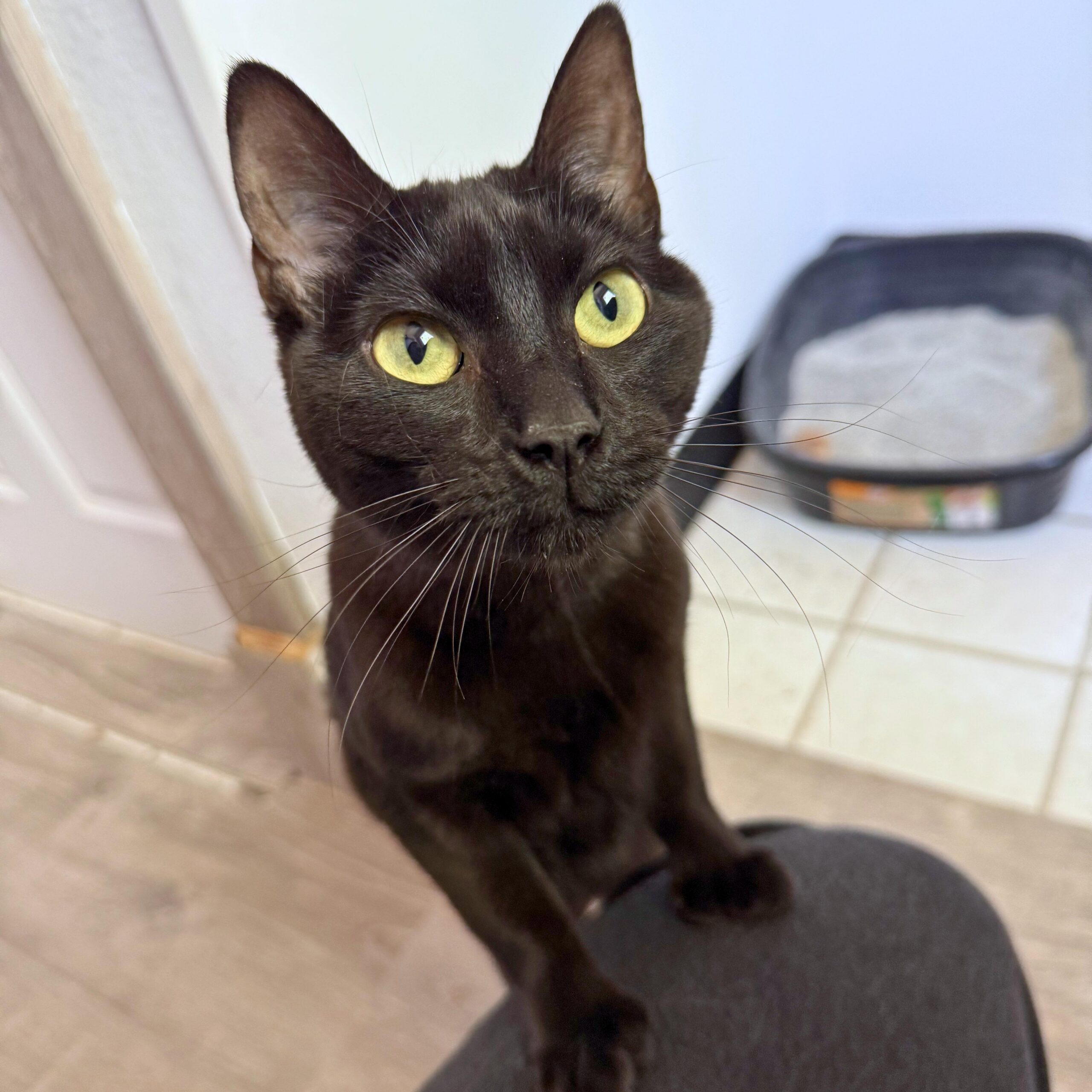
Maple
Maple is a young, loving cat who has been waiting longer than any other to find her home! She is affectionate and sweet, goofy and playful. She loves toys, watching out windows, and will always make you laugh. Come meet her today!
Sorry, the comment form is closed at this time.