

02 Jun To Your Health: Human Microbiiome, New Frontier
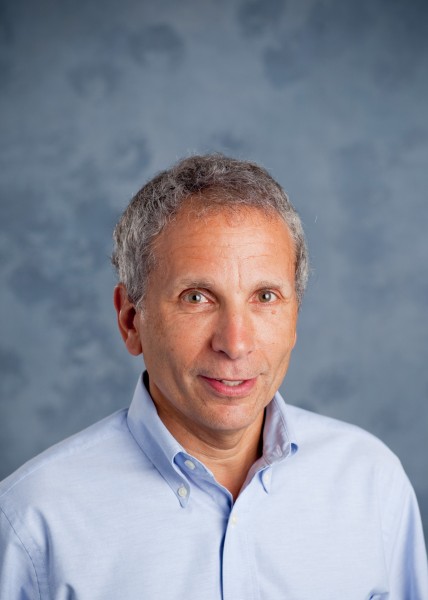
Welcome back to the series which offers a deep dive into the world of health, wellness, and disease prevention with Telluride local Dr. Alan Safdi.
Dr. Alan is a board-certified physician in Internal Medicine and Gastroenterology, a Fellow of the American College of Gastroenterology, and a respected leader in healthcare. His blogs have featured and will continue to showcase the most current information in his fields: health, wellness and longevity.
In this installment of “To Your Heath, Dr. Alan updates talks about the human microbiome as a new frontier in health, disease and longevity.
Scroll down to read the salient details and listen to the podcast to find out more.
And click here for more health and wellness podcasts from Dr. Alan.
Each of us carries trillions of microorganisms in and on our bodies, with the greatest concentration residing in the gastrointestinal tract. Collectively, these bacteria, viruses, fungi, and other microbes form what is known as the microbiome. Far from being passive passengers, these organisms participate in a complex ecosystem that influences digestion, metabolism, immune function, inflammation, even communication with the brain.
For decades, medicine largely viewed bacteria through the lens of infectious disease. While enormous advances were made in understanding pathogens, comparatively little attention was paid to the vast community of beneficial microbes that coexist with us every day. Only in the last two decades, fueled by advances in genetic sequencing and microbiology, have we begun to appreciate the extraordinary role these organisms can play in human health. Even today, despite thousands of scientific publications, many clinicians and patients remain unaware of how profoundly the microbiome can influence health and disease.
Emerging research suggests that the microbiome affects far more than digestive health. Studies are exploring potential links between the microbiome and cardiovascular disease, cognitive decline, dementia, mood disorders, obesity, diabetes, autoimmune diseases, cancer risk, and healthy aging itself. While many questions remain unanswered, the evidence increasingly suggests that the microbiome may be one of the critical connections between lifestyle and chronic disease.
Unfortunately, many aspects of modern life negatively affect microbial diversity and function. Diets high in ultra-processed foods and low in dietary fiber appear to deprive beneficial bacteria of the nutrients they need to thrive. Antibiotic exposure, while often lifesaving, can alter microbial communities. Environmental factors including pollution, pesticides, herbicides, microplastics, and other industrial exposures are now being investigated for their potential effects on both the microbiome and overall health.
At the same time, growing evidence suggests that positive lifestyle choices help support a healthier microbial ecosystem. Diets rich in fruits, vegetables, legumes, nuts, seeds, whole grains, and other fiber-rich foods appear to promote microbial diversity. Exercise, adequate sleep, stress management, and minimizing unnecessary exposure to harmful environmental factors may also play important roles.
In this and every podcast,, Dr. Alan separates established science from speculation, examines what we know, discusses what remains uncertain, and explores how the microbiome can influence some of the most important health challenges facing modern society. The evidence clearly shows that the microbiome represents one of the most promising frontiers in medicine. Understanding it may fundamentally change how we think about health, disease, prevention, and longevity.
Explore the science behind the trillions of organisms that may be influencing our lives every day by listening to Dr. Alan’s podcast now.
Dr. Alan, more:
Dr. Alan Safdi is board-certified in Internal Medicine and in Gastroenterology and a Fellow of the American College of Gastroenterology. A proven leader in the healthcare arena, he has been featured on the national program, “Medical Crossfire” and authored or co-authored numerous medical articles and abstracts.
Dr. Alan is a long-time Telluride local, has been involved in grant-based and clinical research for four decades. He is passionate about disease prevention and wellness, not just fixing what has gone wrong.
He is also Chief Medical Officer Quadrant Health, partnered with and co-owned by Stanford University and Mayo Clinic.
Sorry, the comment form is closed at this time.