

19 Jun Shrink Rap: “Faith, Hope, Love, Insight in Context of Elon Musk’s Ascension into Realm of Trillionaire-ism”!
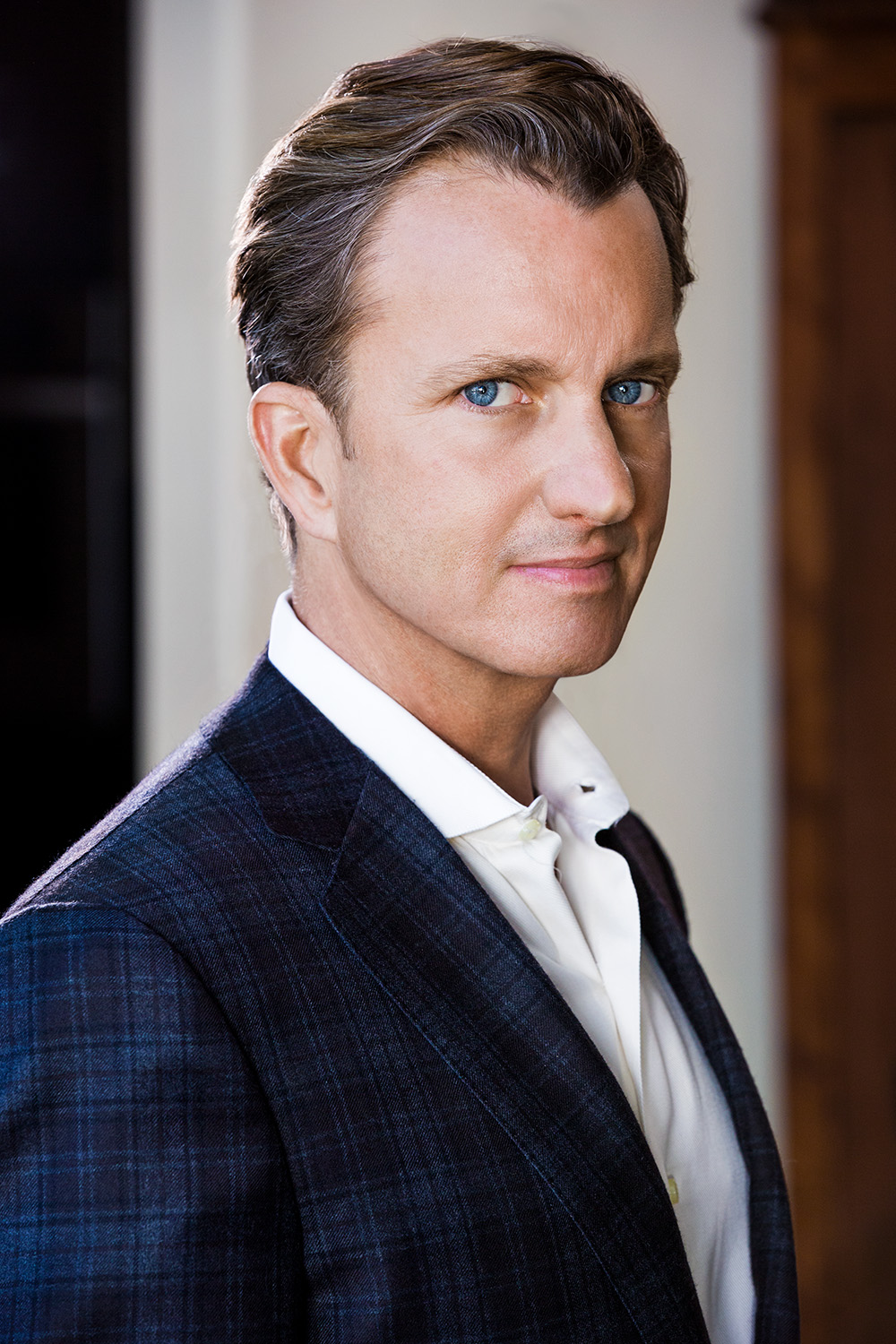
A Telluride local, Dr. Paul Hokemeyer is an internationally recognized expert on treating clinical issues at the nexus of relationships and behavioral health. (Please scroll down for more about Dr. Paul)
The second edition of Dr. Paul’s terrific book “Fragile Power” was published in 2024. Go here to read more about the first edition of “Fragile Power.”
Go here to read more of Dr. Paul’s pearls.
Please scroll down to read one of Dr. Paul’s latest article on the subjects of wealth and mental health, this one titled “Faith, Hope, Love, and Insight in the Context of Elon Musk’s Ascension into the Realm of Trillionaire-ism.”
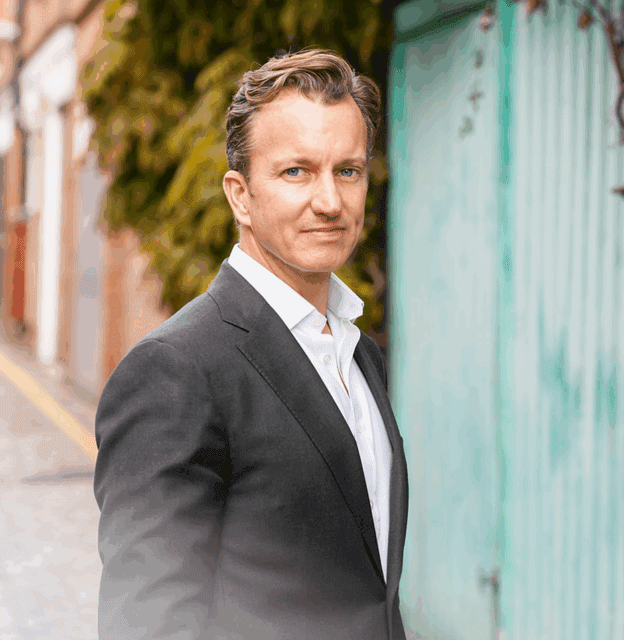
Dr. Paul, courtesy Lodha
“In Modern Man in Search of a Soul,” (1933), Carl Jung names love, faith, hope, and insight as the highest achievements of human effort, “gifts of grace” that cannot be engineered, purchased, or guaranteed. In my clinical work with individuals, couples, and families of wealth, those four words serve as a diagnostic frame. I’m always listening: Where is the love? Where is faith? Where is hope? And the most relevant question we need to ask ourselves now: Where are the insights about wealth, power, and privilege that will enable us to use them in ways that heal rather than hurt?
When a patient or client steps into my office with extraordinary material resources, I hold a simple, Jungian paradox: people can ascend to the highest sphere of material wealth and still feel emotionally impoverished.
These patients live, in economic terms, in a state of uber material abundance, yet with insecure and anxious attachments, a deficiency in intimacy born of trust, and a lack of reparative self‑knowledge.
Elon Musk is a vivid symbol of this ascent into the dizzying stratosphere of wealth and influence. His story concentrates the fantasies and projections our culture carries about money, genius, and power. He moves markets with a sentence, organizes industries around his will, and lives at a level of material possibility that most people can hardly imagine.
From the outside, his attainment of ‘trillionaire-ism” looks like the summit – and, in many ways, it is.
But from my clinical perspective, the relevant question is not “How high has he climbed?” but “How has his ascent affected his relationships with love, faith, hope, and insight?”
In this regard, every day in my consulting work with individuals, couples, and families of uber wealth and power, I incorporate Jung’s four issues into the work through the following ways:
Love: Has relational love become subordinated to objective markers of success, a compulsive hunger for more, and an unrelenting need for external validation? In families of uber-wealth, I often witness a subtle displacement: love is unconsciously conflated with alignment with the founder’s vision or loyalty to the family enterprise. Children and partners can feel loved for their utility, not their essence. When your life, like Musk’s, is organized around colossal projects and existential bets, love risks becoming episodic and instrumental rather than a sustained, mutual encounter.
Faith: Jungian faith is not doctrine, but basic trust in life — in oneself, in others, in something larger than the ego’s will. At the highest wealth strata, the ego is constantly reinforced: the world reliably bends, doors open, barriers fall. This can erode faith in anything beyond one’s own agency. Clinically, I see founders and wealth‑creators who trust their vision and their spreadsheets, but not the unpredictability of human hearts. Faith, in my work, often means helping them tolerate the one arena they cannot fully control: their intimate relationships.
Hope: Hope is the capacity to imagine a future that is not a repetition of the past. For the ultra‑wealthy, including public figures like Musk, the future is frequently framed in grand, heroic narratives: colonizing planets, reinventing transportation, “saving” civilization. Yet families I work with often struggle with a quieter, more domestic form of hope: Will our children be able to have ordinary, grounded lives? Will we be able to repair after betrayal? Will this marriage become more than a branding partnership? The public spectacle of visionary hope can mask a private collapse of hope in the possibility of attaining an emotionally simple, sustainable connection.
Insight: Insight, for Jung, is the hard‑won recognition of the unconscious patterns that drive us. At the top of the wealth hierarchy, there is immense pressure to defend the persona — the public mask — at all costs. Insight requires the opposite movement: turning toward the shadow, questioning one’s own story about being uniquely right, chosen, or necessary. In my consulting room, the work is helping founders and heirs recognize how money has been used to manage anxiety, enact unfinished attachment dramas, or avoid grief. With figures like Musk, the question becomes cultural: Are we willing to see how much of our collective hope we’ve outsourced to a single, imperfect human being, and what that says about our own lack of insight?
When I sit with wealthy patients and families, I don’t treat them as headlines or clichés, but I do work with archetypal themes: a patriarch who has “won” in every visible arena, yet whose adult children are estranged. A matriarch who can command any external service, yet feels utterly helpless in the face of her teenager’s addiction. A rising‑generation heir who lives surrounded by abundance, but is terrified that their relationships would evaporate if the money disappeared.
In those moments, Jung’s four “gifts” become a diagnostic compass that guides a culturally humble treatment plan:
Where love has become conditional, we work on restoring the capacity to see and be seen beyond roles and achievements.
Where faith has collapsed into control or nihilism, we explore a trust that is not based on guarantees, but on the willingness to stay in relationship with what cannot be mastered.
Where hope has narrowed to market outcomes or legacy metrics, we open space for hope in the emotional and spiritual domains: reconciliation, forgiveness, inner freedom.
Where insight is blocked by entitlement or shame, we gently invite the story behind the symptom — the early wounds, the ancestral patterns, the unconscious meanings of wealth in this particular family.
Seen through this lens, Elon Musk’s entry into the top tier of material wealth is not an endpoint, but a case example of a larger human pattern: when our culture idealizes ascent without inner work, we create gods of wealth whose humanity we disavow — and whose inevitable shadows use wealth and its attendant power to hurt rather than heal.
Our task in working with families of wealth is humbler and more intimate. It is to create spaces where love, faith, hope, and insight can re‑emerge as living realities rather than abstract ideals — where the people behind the headlines and balance sheets can remember that their deepest value lies not in what they own or build, but in how they relate to themselves and to one another.
To be continued in the spirit of individual, relational renewal…
Dr. Paul, more:
Dr, Paul
Paul Hokemeyer, J.D., Ph.D. is the founding principal of Drayson Mews, an international behavioural health firm based in London and author of “FragilePower: Why Having Everything Is Never Enough,” (Hazelden, 2019), the seminal resource for UHNW and high-performance individuals looking for clinically excellent mental & relational health services.
A licensed Marriage and Family Therapist, he is a graduate of the Global Leaders in Health Care program at Harvard Medical School and studied the use of digital technologies to enhance the delivery of mental health and addiction treatment services at the Yale School of Management.
Dr. Paul serves as a clinical consultant to the London based Ispahani Advisory Limited and is a Clinical Fellow at the American Association of Marriage and Family Therapists. In addition to his legal and mental health background, Dr. Paul has extensive experience in the realm of philanthropy through his work as a trustee of a family foundation, and the Palm Springs Art Museum, one of the world’s leading institutions for midcentury design and art.
Sorry, the comment form is closed at this time.