

07 Apr To Your Health: Dementia Updates!
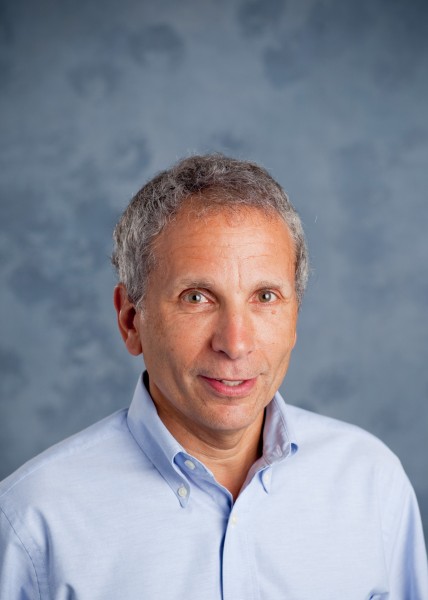
Welcome back to the series which offers a deep dive into the world of health, wellness, and disease prevention with Telluride local Dr. Alan Safdi.
Dr. Alan is a board-certified physician in Internal Medicine and Gastroenterology, a Fellow of the American College of Gastroenterology, and a respected leader in healthcare. His blogs have featured and will continue to showcase the most current information in his fields: health, wellness and longevity.
In this installment of “To Your Heath, Dr. Alan dives into a topic that sounds complex but is actually very personal — DNA, genetics, and what they mean for cancer risk.
Scroll down to read the salient details and listen to the podcast to find out more.
And click here for more health and wellness podcasts from Dr. Alan.
Dementia is not one disease. It is a broad category with well over 100 causes, ranging from Alzheimer’s disease, vascular dementia, Lewy body dementia, and frontotemporal dementia to potentially reversible conditions such as vitamin deficiencies, medication effects, sleep apnea, thyroid disease, depression, and normal-pressure hydrocephalus.
The podcast below addresses what is genuinely new in dementia in 2025/early 2026, what is still hype, and what patients and families should actually pay attention to.
A major change is that dementia diagnosis is moving earlier and becoming less invasive.
In 2025, the FDA cleared the first blood test to aid in diagnosing Alzheimer’s disease in symptomatic adults, a major step toward making evaluation easier and more accessible. At the same time, the field is paying more attention to prevention: exercise, blood pressure control, hearing loss treatment, sleep, inflammation, and diet are no longer side issues. They are central to brain health.
Not discussed is a new 2026 study that was just published. That found that older adults who received a high-dose flu vaccine had a lower observed risk of developing Alzheimer’s dementia than those who received a standard-dose flu shot, with the association strongest in women. It is important to say clearly that this was an observational study, not proof that the vaccine prevents dementia, but it adds to a growing body of evidence linking vaccination and lower dementia risk.
Also reviewed is the practical clinical workup when someone is worried about memory loss.
Before calling something “Alzheimer’s,” you have to think broadly: cognitive testing, functional decline, medication review, hearing, sleep apnea, depression, B12 deficiency, thyroid disease, vascular disease, and imaging when appropriate. One of the most important messages is this: some causes of cognitive decline are treatable, and a few are partially reversible if caught early.
That key point is discussed, along with the role of inflammation, plant-forward diets, exercise, meditation, and early intervention.
Dr. Alan Safdi, more:
Dr. Alan Safdi is board-certified in Internal Medicine and in Gastroenterology and a Fellow of the American College of Gastroenterology. A proven leader in the healthcare arena, he has been featured on the national program, “Medical Crossfire” and authored or co-authored numerous medical articles and abstracts.
Dr. Alan is a long-time Telluride local, has been involved in grant-based and clinical research for four decades. He is passionate about disease prevention and wellness, not just fixing what has gone wrong.
He is also Chief Medical Officer Quadrant Health, partnered with and co-owned by Stanford University and Mayo Clinic.
Sorry, the comment form is closed at this time.