

03 Mar Second Chance: FIV, Facts, Fiction, and Fulfilling Lives!
ince 1994, the Animal Resource Center and the Shops of Second Chance Humane Society have been dedicated toserving animals in Southwestern Colorado. Adoption hours are every day from 11 a.m. to 5:30 p.m. The facility is located at 177 County Rd 10, Ridgway, CO. View shelter pets and services online at secondchancehumane.org.
View shelter pets and services online: www.adoptmountainpets.org
Donate here or mail to: PO Box 2096, Ridgway, CO, 81432.
Go here for more about Second Chance.

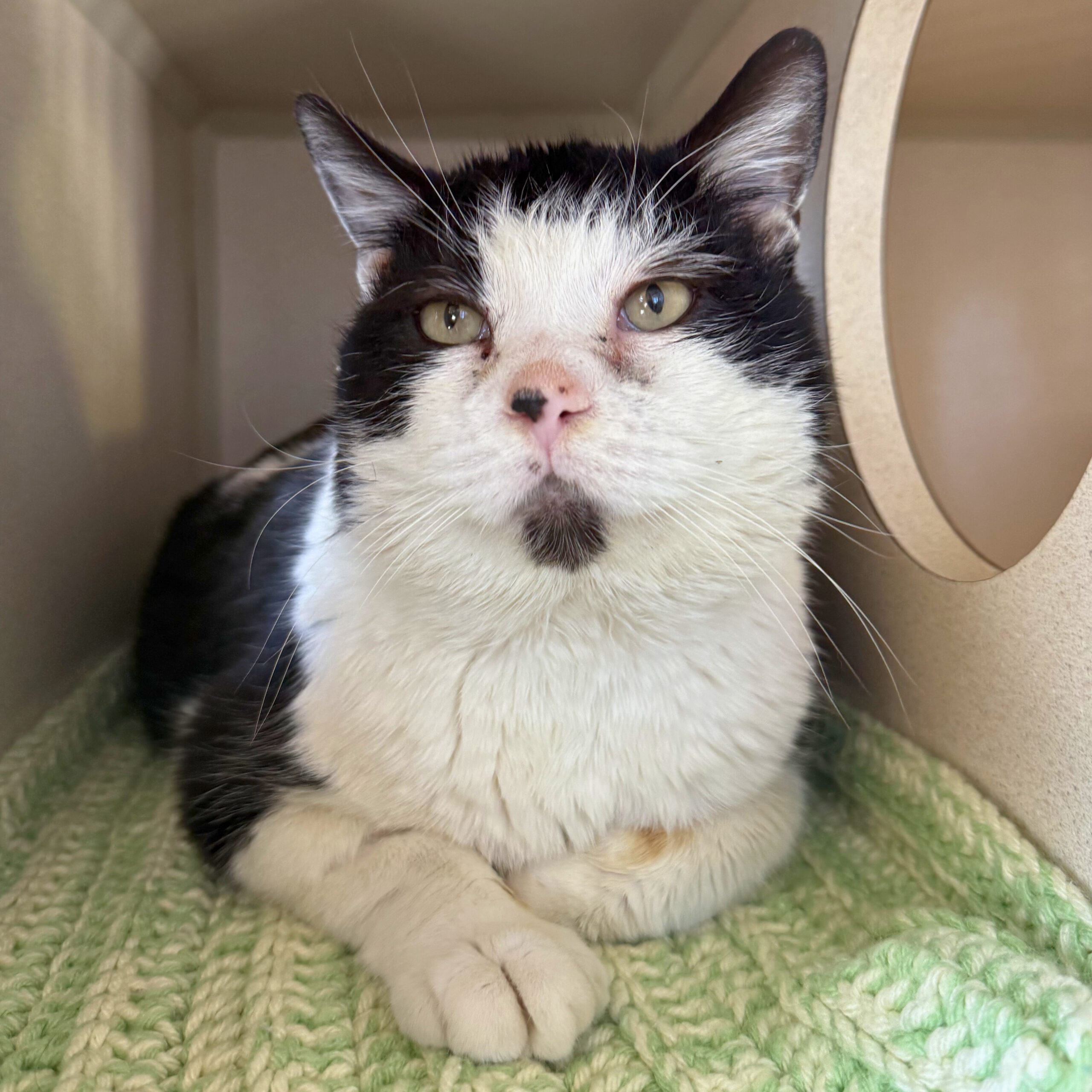
Much like FeLV, FIV is surrounded by many myths and misconceptions, leading to extended shelter stays for diagnosed cats. Education is the best way to combat this trend and help more cats find homes quickly. FIV cats are often healthy, loving, wonderful companions who can live long, fulfilling lives!
FIV stands for Feline Immunodeficiency Virus. It is a retrovirus that infects only cats and is found in their blood and saliva. FIV comes from the same family of virus as Human Immunodeficiency Virus (HIV), but they are species-specific. In other words, you cannot get HIV from your cat, and your cat cannot get FIV from you.
The virus spreads only through sex and deep bite wounds, meaning that FIV-positive kitties from Second Chance can safely be housed with other cats as long as they get along. Consistent, casual contact, such as grooming, sharing bowls, and communal living, is not a viable means of transmission. All of our cats are spayed or neutered prior to adoption, which makes sexual transmission impossible. Cats who don’t get along typically hiss, scratch, or give warning bites and very rarely inflict deep enough bite wounds to spread FIV. If your personal cat and your newly adopted FIV-positive kitty are fighting that badly, they should not be housed together, regardless of FIV.
Similarly to FeLV, there is no cure for FIV. But afflicted animals do not require special or expensive medication and can be treated like any other cat. Regular veterinary care is important for all cats, including those with FIV!
The virus causes a weakened immune system, but often does not to a significant degree. Statistically, there is no decrease in lifespan associated with FIV in indoor cats. With proper care, they often live normal lives. Many people don’t even know that their cats have FIV because they never get them tested. In fact, FIV wasn’t discovered until 1986, meaning if you owned cats prior to that, you might’ve had one with FIV and never knew.
FIV does not live for very long in the environment, so there’s no need to worry about carrying it on your clothes or having it stay in your carpet, as with some other infectious diseases.
In North America, research estimates between 2.5% and 5% of healthy cats are infected with FIV. These numbers are notably higher in outdoor colonies, where sickness spreads easily. Unneutered male cats with outside access are at the highest risk for contracting and spreading the virus. Any FIV-positive cats from Second Chance must be kept indoors to protect them and others.
Opening your heart and home to an FIV-positive cat can be an incredibly rewarding experience. With proper care, regular veterinary checkups, and a little patience during introductions, cats with FIV can live long, happy, and love-filled lives.
Second Chance strongly encourages adopters to speak with a veterinarian or do their own research. By learning the facts and looking beyond the diagnosis, you’re not just adopting a pet—you’re giving a deserving cat the fresh start they’ve been waiting for.
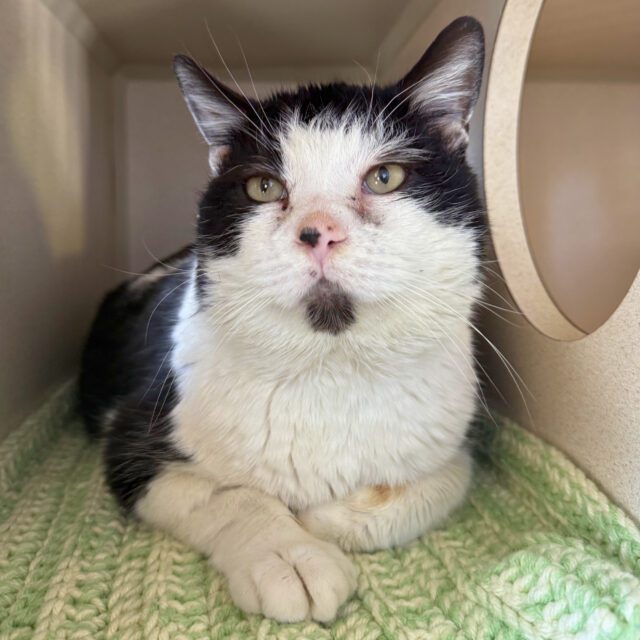
Oreo
Oreo is a 3-year-old cat who is positive for FIV. He loves people, does well with kids, and needs a home of his own. After living as a stray, Oreo is ready to chill out as an indoor cat for the rest of his life. Consider opening your heart to this guy and giving him the life he deserves!
Sorry, the comment form is closed at this time.