

08 Dec To Your Health: Dr. Alan on Big 4 Cardiovascular Risks!
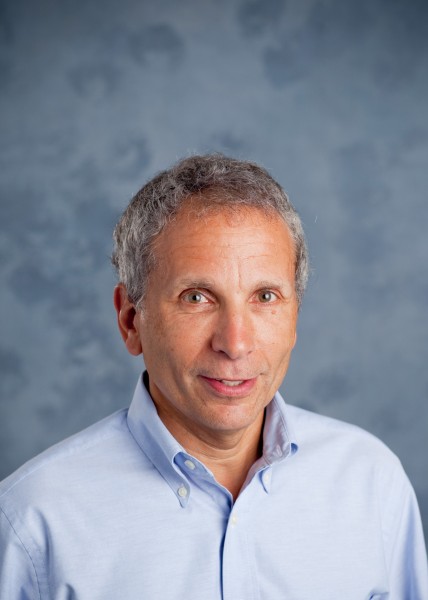
Welcome back to the series which offers a deep dive into the world of health, wellness, and disease prevention with Telluride local Dr. Alan Safdi.
Dr. Alan is a board-certified physician in Internal Medicine and Gastroenterology, a Fellow of the American College of Gastroenterology, and a respected leader in healthcare. His blogs have featured and will continue to showcase the most current information in his fields: health, wellness and longevity. During Covid, Dr. Alan went radio silent. Now Dr. Alan is back in action with “To Your Health.”
In this installment of “To Your Heath, Dr. Alan does a dive deep into heart health (or lack thereof), which includes a direct link to brain health.
Scroll down to read the salient details and listen to the podcast to find out more.

Breaking: 99% of heart attack, stroke, heart failure cases linked to preventable risk factors
A groundbreaking new study spanning over 9,000 people confirms what cardiologists have suspected for years: more than 99% of people who suffer a heart attack, stroke, or heart-failure episode already have at least one preventable risk factor—most commonly elevated blood pressure.
Hypertension, cholesterol, glucose abnormalities, and tobacco exposure remain the “Big Four” and, for the vast majority of patients, these are detectable and modifiable long before disaster strikes.
And it’s not just the moment of the heart attack that matters. What many don’t realize is that the precursors of cardiovascular disease begin decades before symptoms appear. Atherosclerotic plaques and vascular changes can accumulate silently 20–40 years before the first heart attack or stroke.
But this discussion goes far beyond the standard four risk factors. Emerging research now highlights additional drivers of cardiovascular disease that are routinely overlooked in clinical practice: chronic inflammation, disrupted sleep, exposure to artificial light at night, sustained stress, environmental toxins, and poor air quality.
We now know that air pollution and fine particulate exposure accelerate vascular aging, increase plaque formation, and raise the risk of stroke and heart failure. Ultra-processed foods, metabolic dysfunction (often in people with normal weight), and sedentary lifestyles all compound this risk—and they are just as crucial as blood pressure or cholesterol.
And here’s the connection we don’t talk about often enough: vascular disease doesn’t just threaten the heart; it threatens the brain. The same processes that lead to heart disease also damage blood vessels in the brain, increasing the risk of cognitive decline and vascular dementia. Preventing heart attacks is one of the most powerful tools we have to preserve long-term brain health and cognitive function.
The takeaway? Heart disease is not inevitable, and prevention isn’t just about one test, one medication, or one number. It’s about early identification, addressing environment and pollution, optimizing sleep, diet, exercise, stress, and metabolic health—with special attention to the four major modifiable drivers identified in the study: high blood pressure, high cholesterol, elevated glucose/diabetes, and tobacco exposure.
If 99% of cardiovascular events are tied to modifiable factors, then 99% of us have the opportunity to change our trajectory – and protect both our hearts and our brains.
The following podcast explains exactly how.
Dr. Alan, more:
Dr. Alan Safdi is board-certified in Internal Medicine and in Gastroenterology and a Fellow of the American College of Gastroenterology. A proven leader in the healthcare arena, he has been featured on the national program, “Medical Crossfire” and authored or co-authored numerous medical articles and abstracts.
Safdi, a long-time Telluride local, has been involved in grant-based and clinical research for four decades. He is passionate about disease prevention and wellness, not just fixing what has gone wrong.
Sorry, the comment form is closed at this time.